
Calculate Your Cat's Age in Human Years
Curious to know the real age of your cat in human years ? Thanks to our cat age calculator, you will finally find out! Enter the age of your feline friend in real years and our tool will convert it into equivalent human years. Thanks to this, you will have another point of view on the general physical and mental state of your cat, so don't wait any longer and find out the real age of your cat now !
|
Human age of the cat |
Cats |
| 0-1 years |
0-1 mouths |
| 2 year |
2 mouths |
| 4 years |
3 mouths |
| 6 years |
4 mouths |
| 8 years |
5 mouths |
| 10 years |
6 mouths |
| 12 years |
7 mouths |
| 15 years |
12 mouths |
| 21 years |
18 mouths |
| 24 years |
2 years |
| 28 years |
3 years |
| 32 years |
4 years |
| 36 years |
5 years |
| 40 years |
6 years |
| 44 years |
7 years |
| 48 years |
8 years |
| 52 years |
9 years |
| 56 years |
10 years |
| 60 years |
11 years |
| 64 years |
12 years |
| 68 years |
13 years |
| 72 years |
14 years |
| 76 years |
15 years |
| 80 years |
16 years |
| 84 years |
17 years |
| 88 years |
18 years |
| 92 years |
19 years |
| 96 years |
20 years |
| 100 years |
21 years |
| 104 years |
22 years |
| 108 years |
23 years |
| 112 years |
24 years |
| 116 years |
25 years |
😸 The average lifespan of domestic cats
Did you know that ? The average lifespan of domestic cats is generally longer than that of other pet species (about 15 years on average ! Can you believe it ?). In fact, although a cat's lifespan can vary greatly depending on a variety of factors such as breed, diet and general health, many cats live into their late teens or early 20s. Some cats have been known to live into their mid-twenties and beyond! For the anecdote, the oldest cat in the world today is "Flossie", 26 years and 329 days old.
🐈 Factors that influence a cat's age

In the wonderful world of our cat friends, there are a multitude of factors influencing the age of our cats. For example, genetics play a very important role in the longevity of our cats. A purebred cat will live longer on average than a mixed breed cat. In addition, some cats like the Persian, Siamese or Angora will have a life expectancy much higher than other breeds. Apart from the breed, owners can play a role in the longevity of a cat's life expectancy by providing a healthy diet, regular veterinary appointments and vaccinations. Stimulating your cat by providing toys or socializing him also helps him to have better mental health.
🍖 Nutritional needs of cats by age

A cat's nutrition is crucial to its overall health and well-being. A kitten, for example, will need different nutrition than an adult cat, and older cats may also have different needs. Indeed, a diet rich in protein and calories helps the kitten grow and develop. Once your cat reaches adulthood, it will be necessary to change its diet in order to reach the adequate quantities. An adult cat weighing 5 kg needs to consume 26 g of protein per day. When your cat is older, difficulties in absorbing nutrients or dental problems may prevent your cat from chewing hard food and feeding properly. You should therefore choose a kibble with a low phosphorus concentration that will help your cat's kidney function, along with a vitamin E supplement to boost its immune system. The more nutrients your cat has adapted to his needs, the better he will be. Ask your veterinarian for advice if you have any doubts about his diet.
🔎 Signs of aging in cats
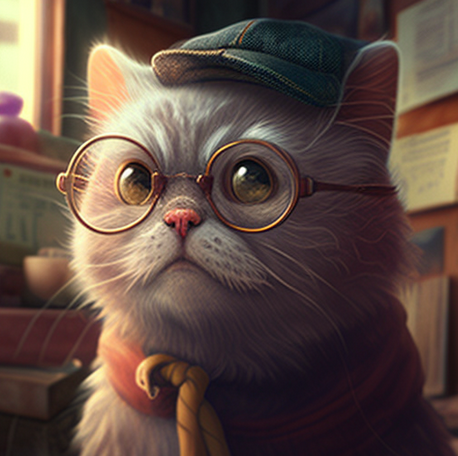
As cats age, they may show signs of aging that can be similar to those seen in humans. Some common signs of aging in cats include:
- Gray hairs: Cats can start to develop gray hairs as they age, just like humans do.
- Changes in activity level: Elderly cats may become less active and playful and may sleep more.
- Weight changes: Cats may gain or lose weight as they age, depending on their diet and activity level.
- Changes in grooming habits: Elderly cats may have a harder time grooming themselves and may have unkempt fur.
- Vision and hearing changes: Cats may experience vision and hearing loss as they age.
Changes in behavior: Elderly cats may become more anxious or irritable and may experience changes in their social interactions.
It's important to keep an eye out for these changes and to consult with a veterinarian if you notice any significant differences in your cat's behavior or appearance.
- As your cat ages, several signs may appear similar to those of humans. Gray hair: Just like humans, your cat will begin to develop gray hair.
- A change in activity level: An older cat will become less active and less playful, and his or her need for sleep will increase dramatically.
- Change in weight: Older cats may gain or lose weight due to changes in diet and activity.
- Change in grooming habits: An older cat may have difficulty grooming itself and may have a less groomed coat.
- Changes in vision and hearing: Your cat may experience a decrease in vision and hearing as it ages.
- Behavioral changes: A more irritable and anxious attitude may occur as your cat ages, and their social interactions may also change.
Finally, it's important to be aware of these changes in order to better understand your cat's ability.
💛 How to care for an elderly cat

Taking good care of a senior cat is not easy and requires extra effort, however it can be a great learning experience for you and your cat ! Be sure to maintain a consistent environment, provide a comfortable place to rest, serve a suitable diet (e.g., a milder diet), keep him active and most importantly, give him lots of love and attention to provide a healthy and happy life. If you notice any significant changes in his weight or behavior, don't hesitate to ask your veterinarian for advice.
💡 Adopting an elderly cat: why it's a good idea
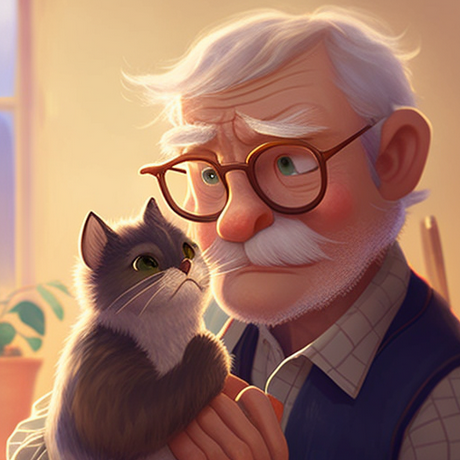
Adopting a senior cat can be an excellent decision for many reasons, which we will mention. For starters, it's an opportunity to provide a loving home for a cat that doesn't have many years left to live. An older cat can be an excellent and loving companion and requires less maintenance, as it's often more stable and less active than younger cats. The other advantage is that adopting an older cat may have already been socialized with other animals, making the transition to a new home easier. Financially speaking, having an older cat also allows for some savings, as an older cat will not need as many supplies such as a scratching post or litter box as a younger cat. They may also have already received essential care such as certain vaccinations. In general, adopting a senior cat is a rewarding and satisfying experience and provides a home for a deserving animal.